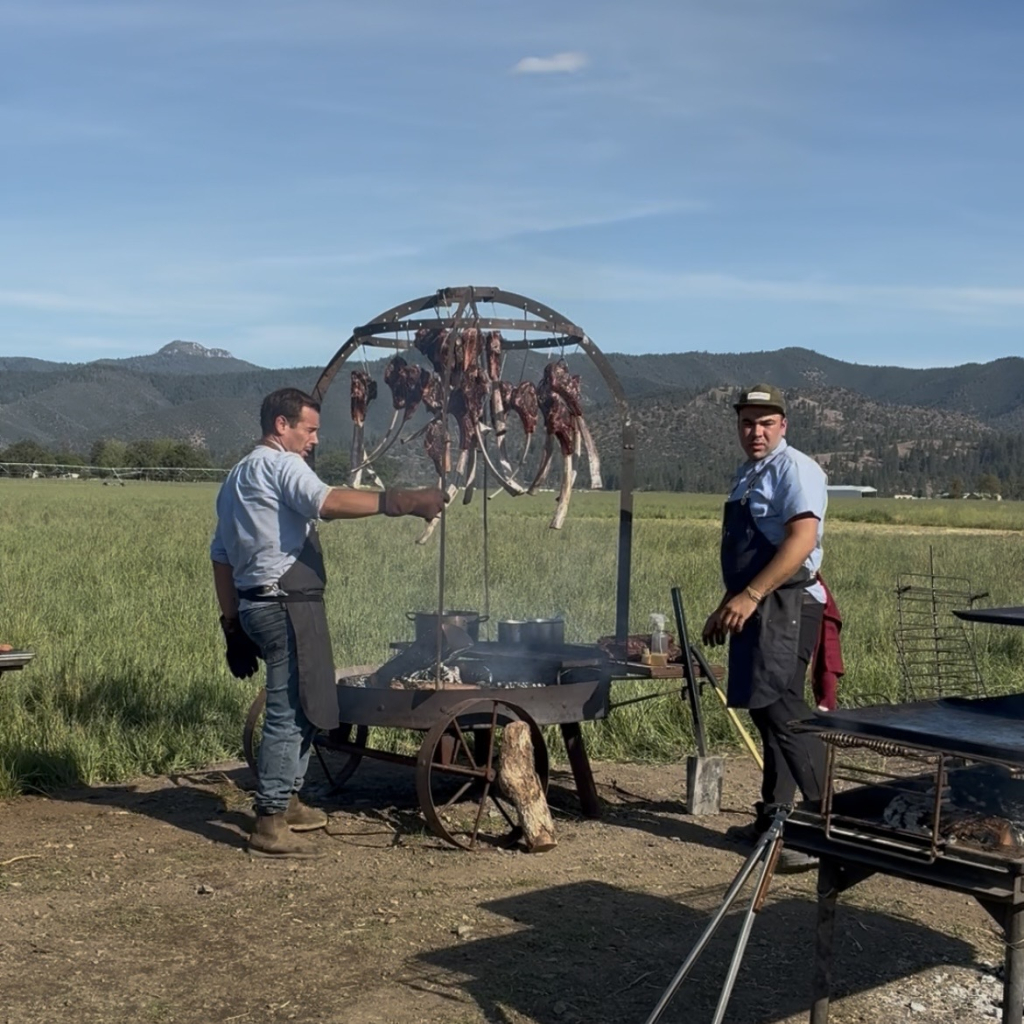
What I Found on my Plate in Far North California (Pt. 2 of 2)
July 2, 2026 Tay Lotte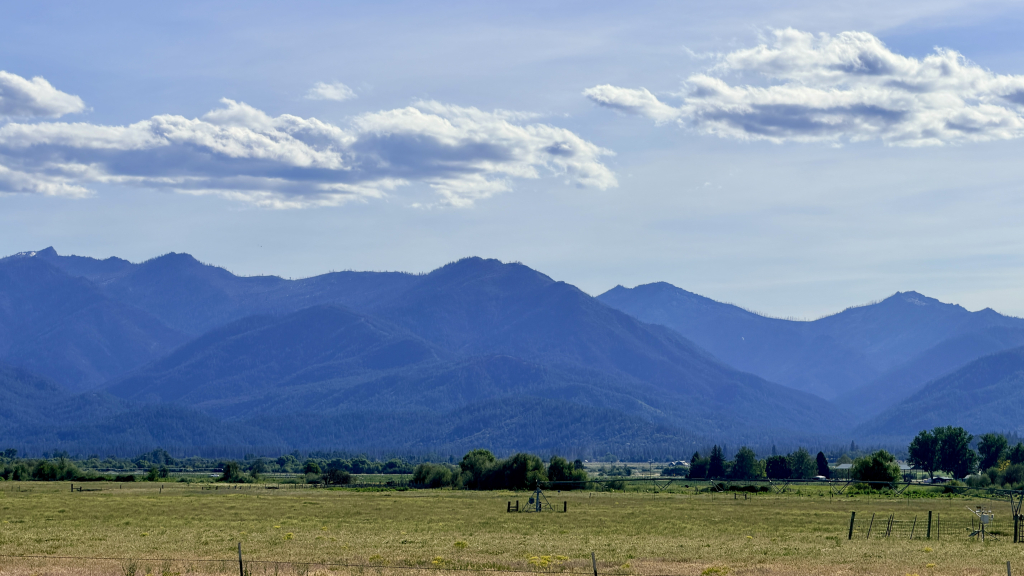
The Snowpack Doesn’t Lie
The changing climate and its effect on water and snowfall were a big topic of conversation amongst ranchers in Fort Jones, California, particularly when it came to preserving and managing their water resources. Emma Morris, Program Manager at Siskiyou EDC quoted her father, a local rancher in the community, saying,
”Call it what you want, there is less snow on the mountains.”
Siskiyou County is a snowpack community. Snow on those peaks in winter means water in the fields in summer. Less snow means shorter seasons, fewer hay cuttings, and often the difference between a ranch that is in the red or in the black that year.
I may not be a rancher, but I am a skier. I grew up enjoying winters in the Rockies and I noticed California’s snowless winter this year too. You don’t have to believe in anything to see that the mountainous Scott Valley peaks looked different this May than they did last May. The question isn’t whether the environment and our natural resources are changing — it’s whether the way we farm can keep up.
In May I joined a Field Day at StarWalker Organic Farm. We went out to pasture, Jason Walker knelt down and dug up a handful of soil about six inches below ground. It was dark, dense, and alive. He held it up and said, “we have killer water holding capacity.”
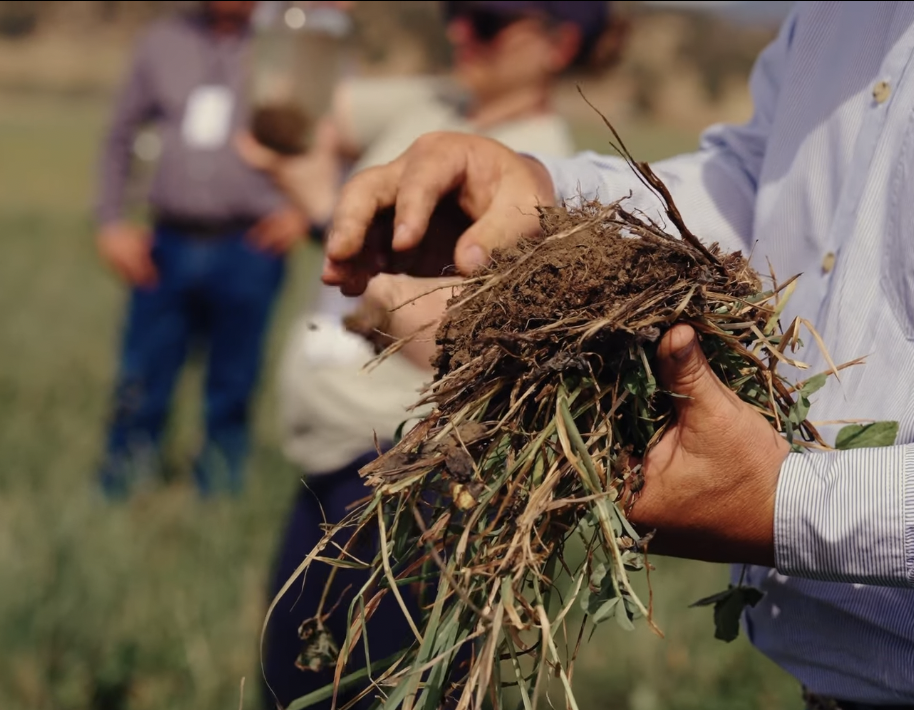
That’s not by happenstance, that’s due to specific regenerative land management principles and choices Jason and his team practice daily. Rotational grazing, maintaining a diversity of pasture forage, and holistic land management are some of the many things building healthy topsoil on this pasture — and healthy topsoil holds water that would otherwise be lost to runoff. Deeper roots, means better water retention, and more grass for cattle to graze. It also means less need for irrigation and, in StarWalker’s case, no need for synthetic fertilizer.
Less snow means less water. An intentionally managed grazing system determines how much of that water a ranch can hold—and for how long. Farming in rhythm with the land’s natural ecosystem processes doesn’t just produce healthier animals, pastures and protein; it uses inputs more efficiently and benefits the bottom line. While there are still many large costs and complexities to regenerative agriculture, holistic land management, or biologically integrated farming systems, ranchers like Jason may be more resilient when the water gets cut off earlier this summer, precisely because of what’s happening six inches underground.
StarWalker Organic Farms is now third-generation, has grown to employ 75 staff, become the first regenerative organic certified pork producer in the world, ship their products directly to customers around the country, and is now selling their jerky snack sticks into natural retailers like Erewhon. This is what ranching can look like beyond the side hustle that many family-owned small to medium scale family-owned ranches and farms have become. It provides the case study for dedicated, multi-generation producers doing right by their family’s name, their land, and their animals. StarWalker is just one of many farms casting a vote for a healthy, regenerative food system—one that Kristina and Jason Starwalker hope will sustain future generations.
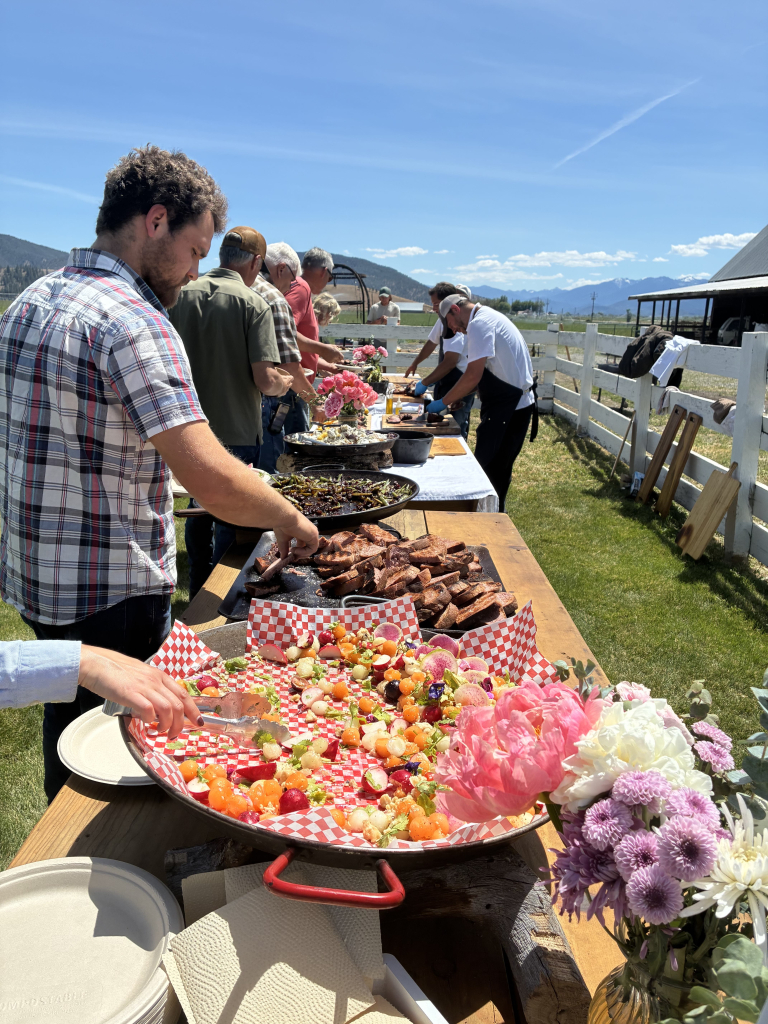
Your Plate is The Vote You Cast Three Times a Day
Standing on the land that feeds me, among the animals and the farmers who tend them, reminded me of something simple and maybe forgotten: the food on my plate comes from the system that produced it.
The choices we have are shaped by the systems and incentives that support the food that is available and affordable. If we want ultra-processed food from industrialized monopoly systems, that choice exists. If we want clean, real food raised by farmer workers paid a fair wage, with animal welfare and ecological stewardship built into that farming system, that choice exists too.
I came to Siskiyou expecting to find that a regional, regenerative food system is still waiting on consumers and markets to catch up. What I found was harder and more hopeful than that. Practical decisions like how a rancher chooses to manage the reality of less water this summer can open the door to a conversation about more regenerative, or less resource intensive, land management. And when I choose to buy that rancher’s beef, I’m part of that decision too. Roots of Change is launching the Vote for Your Food campaign to help you make your daily food choices count towards a more connected, resilient and healthy food future. Sign up to be the first to know how.
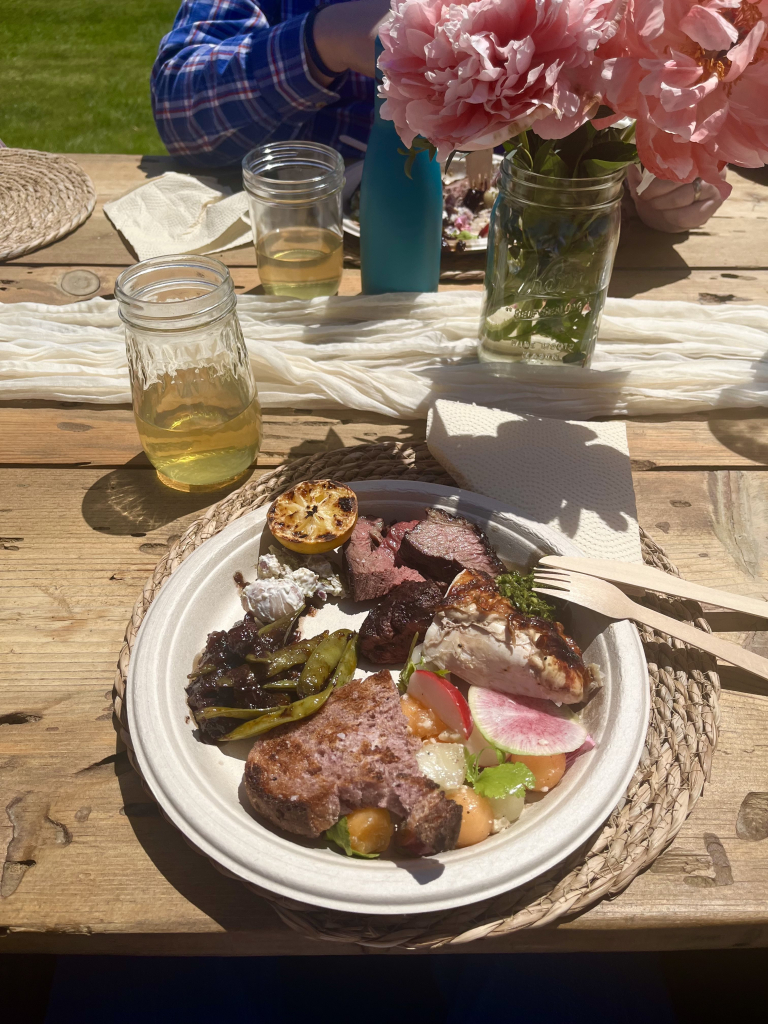
Images 1, 3-4 by Tay Lotte. Image 2 by Jordan Allen. Field Day and Field Feast, StarWalker Organic Farm, Fort Jones, CA.