What I Found on my Plate in Far North California (Pt. 1 of 2)
June 12, 2026 Tay LotteI try to cook three meals a day. I fill my fridge with organic fruit, vegetables, meat and eggs. I read labels. I love to shop at the farmers market when I have the time. I live in Santa Cruz, California and I am, by most measures, a health conscious eater who chooses to spend more money on healthy food now so that I don’t have to pay the cost later in life.
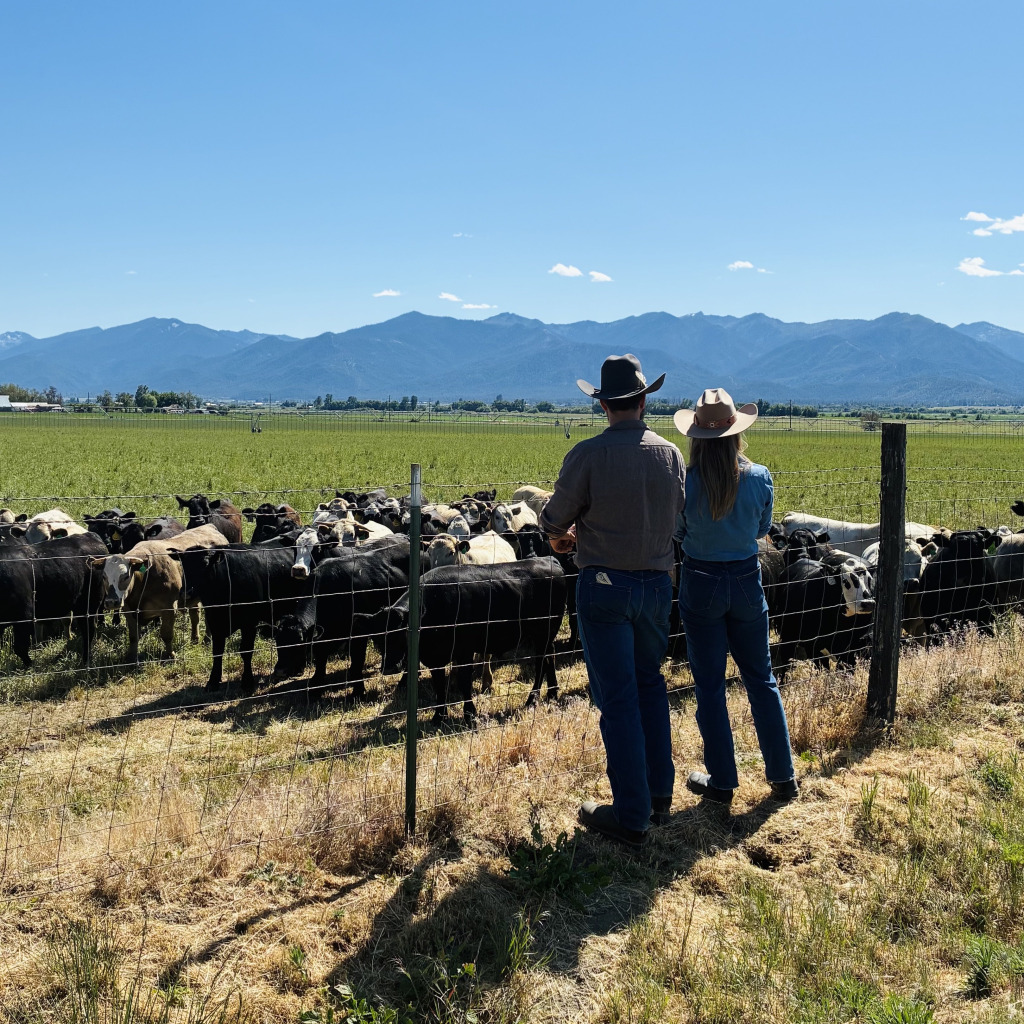
Most Americans don’t shop the way I do, eat the way I do, or have access to the food choices I do. So last month I traveled up to Far North California with my team at Roots of Change to see how that food actually gets to my plate, and more importantly why it doesn’t end up on more plates across the country. We met with ranchers—conventional, organic, regenerative, big, small and everywhere in between—to better understand one question: could a more regenerative, regional and healthy food system take root here?
Our trip started with a visit to Starwalker Organic Farm, nestled beneath the beautiful hills of Scott Valley in Fort Jones, California just north of Mt. Shasta. We sat down to a longtable dinner amongst farmers, ranchers, certifiers, storytellers, food distributors, lunch ladies, farm financers, policy advisors and every role involved in bringing good healthy food from farm to fork. On Chef Thomas Drury’s menu that night was a live fire roasted regenerative organic pig, tomahawk steaks hung high over a wood-fired grill, black garlic sauce, kaffir lime crema, a bright spring pea risotto, roasted carrot & beet salad and colossal asparagus with lemon butter. It was a feast!
My plate was filled to the hefty weight of a Thanksgiving dinner serving, and I took a bite of the pork. Beyond the sweet, tender crisp of the meat I was surprised to find two ingredients in that pig that weren’t on the menu: side hustles and snow melt. In fact, that week I had discovered them scattered amongst our team’s conversations with a diversity of ranchers in Siskiyou County.
What Keeps The Ranch Alive
There were 6.81 million farms in America in 1935, and in 2024, according to the USDA only 1.88 million remain—a 72% decline. The fact that three multi-national industrial meat companies control 80% of the US meat supply today plays a role. But even the corporatization of our food system doesn’t fully explain why managing a small to medium sized family farm operation was not a full-time job for any of the multi-generational ranchers we met. (StarWalker is the exception—more on that in Part 2).
“Behind every successful cattle rancher is a wife who works in town,” Carl of Scott Valley Angus told us.
Two generations prior, their grandparents just ranched and made a living. But today, Gail is a teacher and museum director, Jud teaches at the college, Regina runs a nonprofit for rural kids workforce development. As Carl put it, they all got outside jobs so that they don’t have to live so close to the margins. Most of them manage conventional cow calf operations, with some beef production sold locally or shipped direct-to-consumers around the country.
Farm economics don’t pencil like they used to. The ranchers that joined us for coffee in Fort Jones spoke about their grandparents or great grandparents ranching full time on 1000-5000 acres pastures in the picturesque Scott River watershed.
We asked how these same ranches are faring in the current cattle market. The answer was mixed: prices are up, and for the first time in a long time operations are covering costs and long-delayed capital improvements. But the bigger picture is bleak. Some ranchers drop off their cattle at the auction, and don’t even turn back to see the price they sold for. They are at the whim of a very volatile meat market, and increasingly consolidated corporate capture manipulating low cattle prices paid to ranchers and higher costs for chefs, food service providers and eaters.
Despite the challenges, our conversations with the community left me feeling that the future of ranching in this region is hopeful. Siskiyou has a rich history of multi-generation family ranching, an alluring natural beauty of the Scott Valley watershed, and the potential for regional meat market expansion is real—it’s what drew Roots of Change to the region 6 years ago to begin rebuilding a regional regenerative supply chain of meat.
The families keeping their ranches alive are doing it on pride and subsidy–their own outside income–not on their ranch business’s margins. But pride alone isn’t a stable foundation for rebuilding a food system. You can’t deposit dignity at the bank. In Part 2, I look at what happens when that fragility meets a snowpack dependent community and California’s shrinking water supply, and why the most climate-resilient ranches in Siskiyou may also be its most regenerative ones.
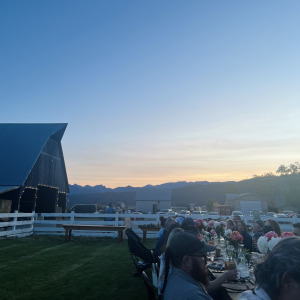
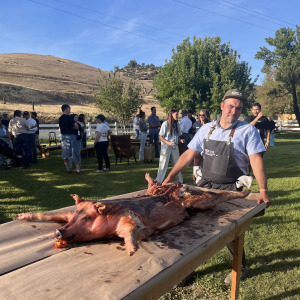
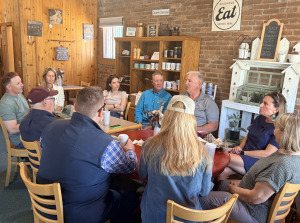
Images by Tay Lotte. Images 1-4 of Field Day and Field Feast, StarWalker Organic Farm, Fort Jones, CA. Image 5 of rancher gathering, Trading Post Cafe & Mercantile, Fort Jones, CA.