What Five Days in the South of Our Nation Brought to Mind
May 18, 2026 Roots of ChangeAmerica is blessed with immense beauty and diversity of people, climate, and richly endowed lands. I experienced some of the best of it recently in Georgia and Kentucky where food system innovators are hard at work rebuilding agrarian communities, the bedrock of civilization whether we recognize it or not. I want to share what I pondered and learned about these good people and places in five short days.
Diversity has been the core strength of our nation. And the land is the foundation upon which all of it has been built. The Indigenous peoples and the first colonists knew this. The generative power of the land was actually the root cause of the violence colonists perpetrated against the native people and it was the cause of the struggles between the Indigenous themselves. Look at the world today: Ukraine and Palestine are battles over land.
Agrarian cultures are the key to an agriculture that can properly steward the land from which so much wealth was and has been created. In the 1950s big food companies began to seek a weakening of New Deal Farm Bill programs that ensured small and midscale farmers (the agrarian middle class) received fair compensation. Very quickly policies more than tractors moved farms to expand acres to become “efficient.” This really meant to overproduce to the detriment of rural communities because the law of supply and demand means less revenue per unit. Over production allowed corporations to obtain cheap ingredients for food and fiber. This induced the embrace of chemical and fossil-fuel-intense agriculture that has polluted and extracted the lion’s share of the wealth from the land. It also pitted farmer against farmer more intensely than before. Farms were killed, jobs lost, and rural towns gutted. You see the result all over America when you drive through rural country. But these degradations were only the first hidden costs of a cheap food policy. Now we face an epidemic of diet related disease, human and animal pandemics, and extreme weather related to excess carbon in our atmosphere, a significant portion of which results from our food system.
This gutting stripped out the agrarian culture, not just the farms. Industrialization of agriculture reduced land and soil to an input, like gas in a tank; it burned up the soil. Consequently rural and urban centers are now literally burning. This winter and spring hundreds of thousands of acres of land in the Heartland and the Southeast have burned. During my five days in the South I drove through wildfire smoke. Georgia and Florida are burning and much of the south is in drought.
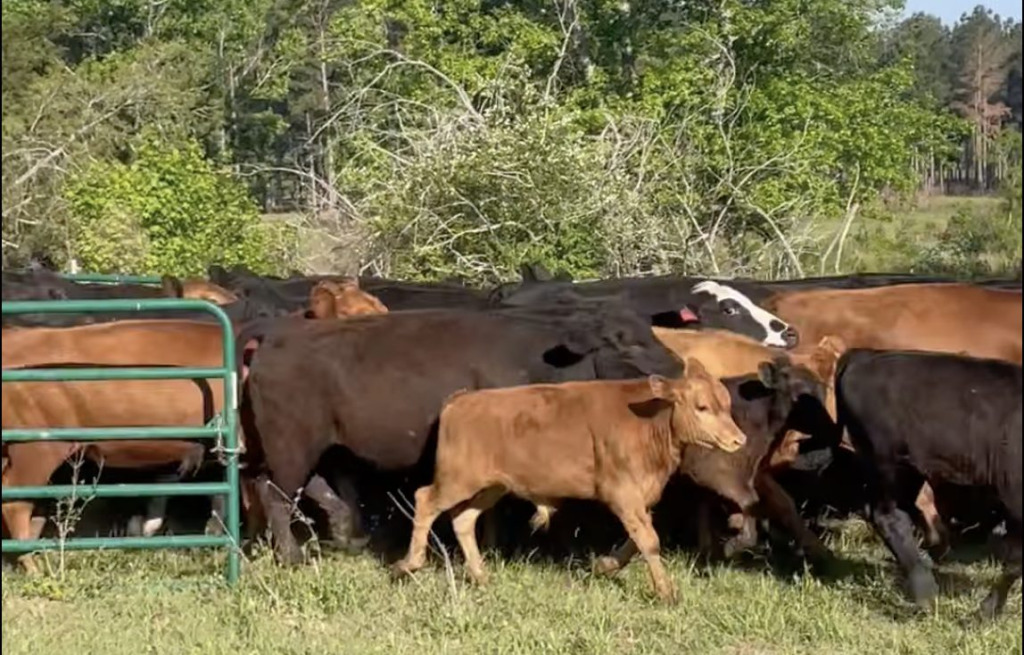
If you’ve followed the news for the last ten to fifteen years you know how pissed off rural America has become. I don’t blame them. But from crisis the human desire to survive has driven some good people to do good things. In Bluffton, Georgia I spent two rich days with Will Harris, founder of White Oak Pastures. He is mimicking nature in raising 2,000 cattle per year using over 150 paddocks. His herd moves every day to a new paddock allowing the land to rest and regenerate more grass. His regenerative approach now employees 154 people and has allowed the ongoing refurbishment of a town born in 1815 and destroyed by industrial agriculture in the 1970s and 80s. He ships honey, meat, tallow products, leather goods and pet chews all over the nation every day. He supplies three Southern state retail grocers. His brand supports 12 other ranches. His business attracts visitors from all over the nation and world. I met some while I was there. White Oak Pastures is an agrarian culture regeneration project, not just a livestock operation.
In New Castle, Kentucky, I visited Mary Berry the leader of The Berry Center, named for her father Wendell, the farmer-philosopher who has influenced legions of people seeking to repair the food systems flaws. Mary and her team are rebuilding a local supply chain of healthy meat from healthy farms, paying a fair price to farmers. This has supported the success of a local meat processor, creating jobs and helping livestock farms to sell directly to regional families. Just as importantly, The Center is focused on regenerating agrarian culture.
They have spawned reading circles in many states that support people reconnecting with land and the agrarian people, and places from which food and so much more originates. They have a demonstration farm that teaches both regenerative pasture management and sustainable timber management. I attended an afternoon course dedicated to reading poetry by Maurice Manning who in his beautiful book Bucolics, gives voice to a farmer who sees nature and God as one. He speaks to what he calls “Boss” as you and I would speak to an intimate family member with love, respect, frustration and anger. The 15 people in the course were as diverse as the nation. Farmers from the land, urban dwellers from Louisville, and professors from UC Santa Barbara shared what they gleaned from Manning’s evocative lines. I saw the overlap in desires for our nation from this rich conversation from urban and rural people. I saw open hearts and curious minds. People deeply listened to one another. It was an example of the cultural healing our nation needs in this time, a regeneration of civil society and common ground.
My trip to the South was a rewarding and inspiring time. It was a time of good people, doing good things, on good land.
Image by Michael Dimock. Cows moving to a new paddock at White Oak Pastures Ranch
The Berry Center, Wendell Berry, White Oak Pastures