Food, Heritage, and the Future to Build at Terra Madre Salone del Gusto in Italy
October 21, 2026 Dalia HernandezBy Dalia Hernandez, ROC team member
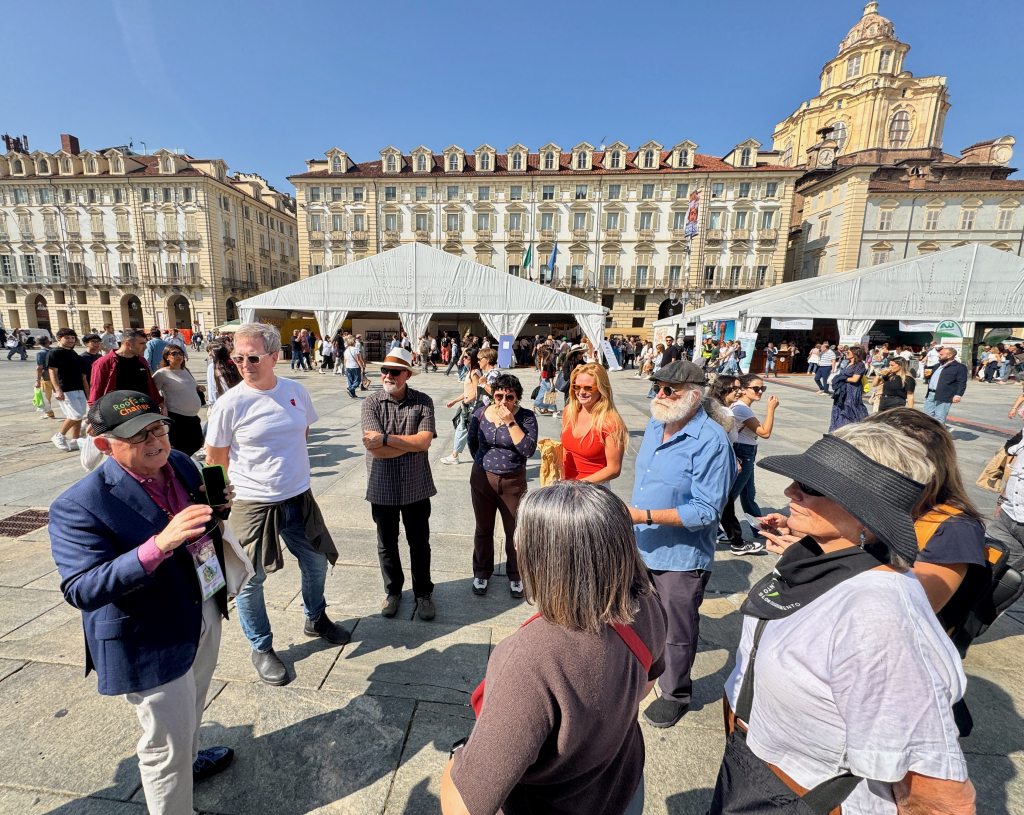
Last month, I joined the ROC team at Terra Madre Salone del Gusto in Torino, Italy. Organized by Slow Food, Terra Madre is a biennial international gathering dedicated to food that mixes conference, festival, and market, all into one. Taking place over four days, it is a celebration of taste, culinary tradition, and food as cultural heritage.
I sat and listened to people from completely different regions around the globe find connection in common struggle. They bonded over the difficulty of small farmers to make a livelihood, the significance of maintaining cultural heritage through farms and food, and the struggle to balance global versus local markets. But more notably and more exciting to me, I was able to hear about the joys of their success! So many speakers focused on the communities and networks that they were growing through their care for land and the way that care connected them to their regional histories and traditions.
I heard from producers, community representatives, chefs, organizational leaders, and everyone in between. There were so many different roles and backgrounds but the unified focus of protection and preservation of biodiversity through food and agricultural policy was amazing.
The Ark of Taste & Food as Cultural Heritage
Maybe the most impressive of the many worthwhile and attention-grabbing stalls in the Market lining the streets and squares of downtown Torino was Slow Food’s own Ark of Taste. The Ark of Taste is a “living catalog of delicious and distinctive foods facing extinction”. While the idea of extinction can definitely inspire fear, actually being able to explore the Ark and see the abundance of regional food was enlightening. The Ark of Taste emphasizes that food is cultural heritage and emphasizes that the protection of cultural heritage can take place in your own kitchen.
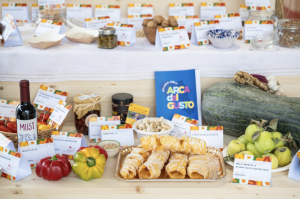
Image credit: Slow Food Italy
There is so much to learn from the Ark of Taste. I was struck by the amount of pride and personal connection that people at Terra Madre felt for regional food. In the United States, large and complex supply chains for food have eroded the pride and connection that comes with knowing your region’s produce and cuisine. It is increasingly rare to have a personal relationship with local farmers in the United States, and in that system we lose the opportunity for community connection for both the producer and the buyer.
Terra Madre also challenged me to think critically about how I consumed international food at home. Like many in Los Angeles, I have Mexican heritage and cook Mexican recipes at home. There’s eventually a moment with immigrant communities where we debate food heritage and the need to keep food authentic. Do ingredients need to be imported from their origin, when that could mean using produce that has transported from the other side of the planet? Or can recipes be adapted and work in conversation with the new regions they find themselves in, ultimately leading to something completely unique?
I’m in favor of fresh produce, and recipes that change with the people that make them. Within overarching national identities, there has always been regional differences even when eating the same dish. In the United States, we love to argue about who has the best style. Look at the national debate about the best pizza and where to find it! If we can so easily accept that the style of food is regional, I think we should work harder to develop regional pride in the quality and taste of the produce that is the backbone of these dishes.
Changing The Rules of Food is Possible
I sat in on the panel discussion “Changing the Rules of Food is Possible”. The six person panel– whose members were from the US, South America, Central America, Europe, and Asia, had backgrounds in government, in agriculture, and nonprofit spaces– focused on the importance of agroecology, and the ways the current food system is designed for the success of industrial agriculture. That structure alienates consumers from the food system, and works to the detriment of smaller producers and at the expense of nutritional quality.
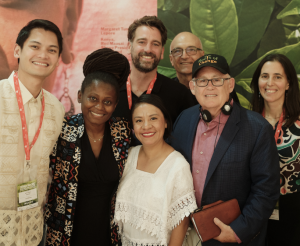
Image credit: Petra Bindel
ROC’s Executive Director, Michael Dimock, was invited to this discussion as a US Slow Food Delegate and shared three ways ROC has supported incremental shifts in California’s Food System:
- To promote statewide nutrition, the ROC-spawned Market Match program stretches CalFresh dollars spent on fresh produce at a farmers market. This program simultaneously helps small farmers, rural communities, and low income families..
- In collaboration with local food policy councils, ROC created an annual report card revealing the votes of state legislators on policies favored by those seeking to advance innovation and community resilience. This led to the annual Food Policy Champion Awards and event held each February in collaboration with the California Food and Farming Network.
- California makes billions of dollars in state investments in a more healthy and resilient food system. State programs pay farmers to build healthy soil and achieve water use efficiency; help land trusts to protect farmland; and nonprofits to aid farmworkers. As a result, California leads the nation in formation of agroecological policies.
Michael emphasized that these programs and changes came from organizations banding together, working to aggregate power and not just product.
That discussion was just one of many over the four official days of the conference. Terra Madre brought food to the forefront not just for industry professionals, but for the everyday person that made their way to downtown Torino. People were able to learn and exchange ideas with panelists and industry leaders, hopefully leading to more awareness and interest in shopping locally for good, clean, and fair food. Change across the system is so crucial, from farm to table, and the importance of doing what you can regardless of where in the system you land is so important.
So what’s next?
Terra Madre Salone del Gusto was my first time in Italy, but not my first time at a Terra Madre event. Last September, I helped ROC launch the Slow Meat Pavilion at the inaugural Terra Madre Americas in Sacramento, CA. As a practicum student at Stanford at the time, it was a major learning experience for understanding the struggles that ranchers faced in the United States. Most of my education up to that point focused on the environmental impact that industrial agriculture had globally, an understandably hot button issue, but very little on the lived realities of small and mid-sized ranchers and their livelihoods. Terra Madre Americas was my first step towards zeroing in on where I could really make a difference through my spending on groceries by prioritizing local vendors, purchasing regenerative, and limiting food waste in my kitchen.
Overall, the whole ROC team learned so much from attending the conference and having lots of robust conversations with food system leaders from all over the world. I’m excited to see how these conversations continue and create new paths forward at Terra Madre Americas 2027, which returns to downtown Sacramento from September 24th to the 27th. ROC is looking forward to creating another immersive, educational, and bustling pavilion next fall. Learn more about Terra Madre Americas, and look out for announcements in the ROC Pulse of the Food Movement newsletter and on our social media. We hope to see you at Terra Madre Americas 2027 in Sacramento!
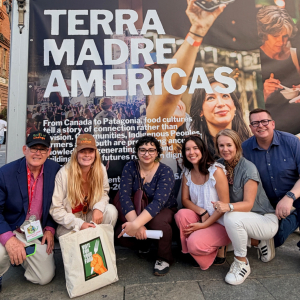
The ROC team at Terra Madre Italy