A New Year, a Clear Message: EAT REAL FOOD
January 14, 2026 Roots of ChangeAs we begin a new year, many of us follow the age-old tradition of making resolutions, often with a commitment to make choices that improve our own health. Last week the release of the new Dietary Guidelines for Americans brought a timely signal in that direction, and they’ve already sparked strong reactions. Some have welcomed the update, while others have offered pointed critiques, including concerns about what the administration has proposed and what the Guidelines do or do not emphasize.
ROC shares many of those concerns. We believe we can only achieve the goals set by Dietary Guidelines if we address deeper, system-level changes. That means strengthening local and regional food economies so communities are more resilient in the face of disruption, ensuring farmers and ranchers aren’t squeezed out by rising costs and unstable markets, and making the investments and policy reforms needed so healthy food is accessible and affordable in every community.
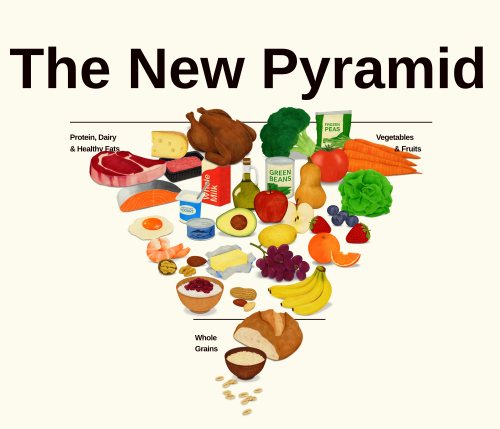
At the same time, we do welcome the clear and necessary message: eat real food, choose whole and minimally processed foods, and avoid ultra-processed products. That clarity matters, and it’s worth lifting up. The Guidelines point families, schools, healthcare providers, and policymakers toward a practical north star: more vegetables and fruits, meat, fish and other proteins, whole grains, beans, and nuts—everyday foods that support health and help prevent diet-related disease.
But the Guidelines also have real gaps. They fail to address how food is produced: how crops are grown, how animals are raised, and how those practices affect soil, water, farm viability, climate resilience, and the quality of what ends up on our plates. If we want “eat real food” to translate into healthier people and a healthier planet, we have to care not just about what we eat, but how food is produced.
We also have to say aloud what millions of families already know: guidelines won’t translate into better health if people can’t afford or access the foods being recommended.
This is the reality of today’s food affordability crisis. Food prices remain high, and even modest increases hit hard when budgets are already stretched. Families are making impossible tradeoffs—between rent and groceries, and between what they know is better and what they can realistically put on the table. In many places, it’s not just price; it’s access—whether there’s a nearby store or farmers market with fresh options, reliable transportation, and the ability to risk buying food that may spoil faster.
That’s why we’re worried about the context in which these Guidelines are arriving. Across the country, communities are facing the impact of cuts to federal nutrition programs like SNAP and the elimination of SNAP nutrition education, resources that help families stretch limited food budgets, build cooking knowledge, and make healthier meals realistic in everyday life. These supports are especially important for communities facing the highest burden of diet-related chronic disease. And at a time when the cost of food remains high, weakening the safety net doesn’t just increase immediate hardship, it pushes more families toward cheaper, ultra-processed food options and increases the likelihood of higher long-term healthcare costs tied to preventable, diet-related illness.
The same tension is playing out for the people who grow our food. Farmers and ranchers are facing rising costs—fuel, equipment, labor, insurance, and financing— while the prices they receive don’t keep pace. Add trade uncertainty and the impact of tariffs, and it becomes even harder to make the numbers work. For small and mid-sized producers, these pressures can be the difference between staying afloat and filing for bankruptcy.
That’s why we need to connect the dots. We need to move beyond bandaids and short-term fixes and strengthen American agriculture and local and regional food systems so real food is available and affordable in every community.
In 2026, ROC is launching Vote for Your Food, a campaign to elevate shared values and practical solutions that bridge rural and urban communities. Vote for Your Food is about making real food easier to choose by strengthening local and regional food economies, supporting farmers and ranchers, and protecting the nutrition programs families rely on.
That means investing in the practical backbone that connects farms to families—regional processing, aggregation, cold storage, distribution, and fair markets—so healthier food can reach schools, clinics, corner stores, food banks, and neighborhood groceries. It also means protecting and expanding proven nutrition incentive programs that help families buy more fruits and vegetables while supporting local growers and retailers—programs like California’s Nutrition Incentive Program (CNIP/Market Match) and GusNIP at the national level. And it means expanding support for regenerative agriculture, including pasture-raised meat, by investing in producers who restore soil health, protect water, strengthen biodiversity, and build climate resilience while producing nutrient-dense food.
With gratitude and resolve for the year ahead,
Michael Dimock
Roots of Change (ROC)